Telltale signs: sump pump installation
Damp walls after a thaw, water creeping in where the floor meets the foundation, or a house with weeping tile that no longer drains freely are the usual reasons people ask about a sump. A pump collects groundwater from around the foundation and sends it out and away from the house before it can rise through the slab.
Homes that already have a working pit sometimes only need an upgrade; see sump pump repair for that work.
What we bring
- Submersible pump, check valve and union
- Pit liner, discharge pipe and ABS fittings
- Bucket and hose for the fill test
Tested before we leave
- Pit filled until the float trips the pump
- Check valve confirmed shut on the reverse
- Discharge traced to the outside outlet
On the job: what we open, clear and test
We start by looking at where water enters, the lowest point of the floor, and where the discharge can go outside. A section of concrete is cut and removed, a pit liner is set into gravel, and the weeping tile is connected where it can be reached. The pump sits in the liner with a check valve on its discharge pipe, which then runs through the wall to an outlet that directs water away from the foundation.
- A sealed lid keeps out debris and reduces humidity.
- Pump, float and check valve are tested by filling the pit with water.
- Floor patching is finished neatly around the new liner.
What can change the job
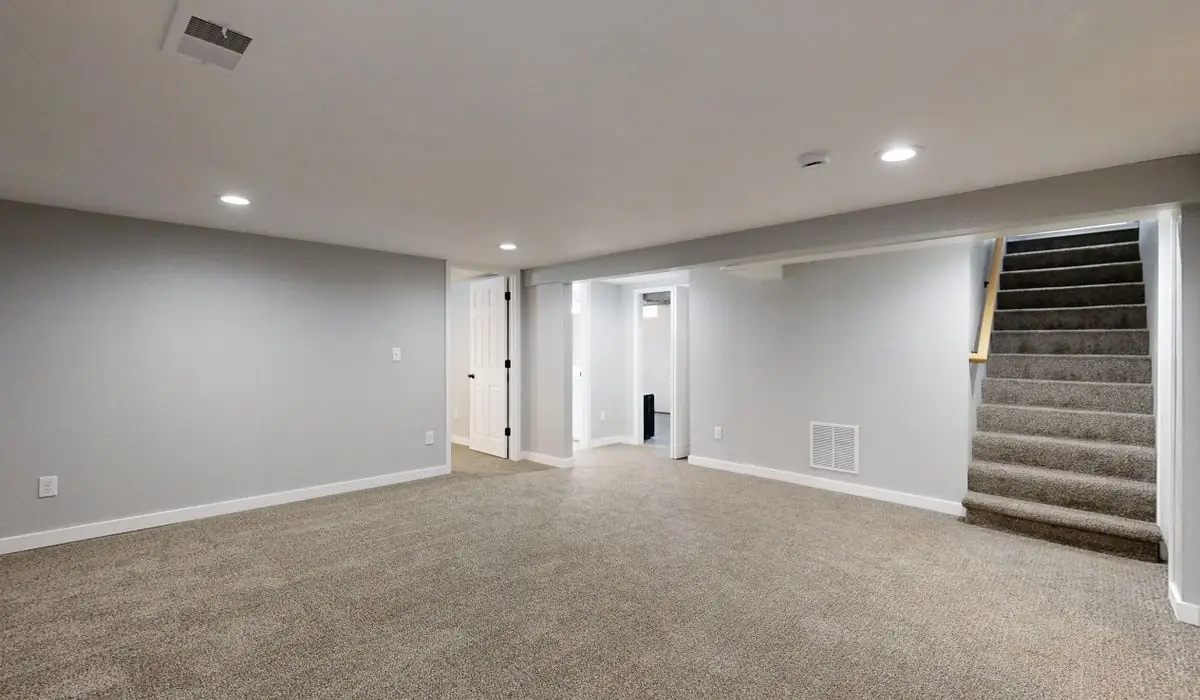
A finished basement means flooring and drywall to work around. The depth of the weeping tile, the soil type and the distance to an outside wall all influence the layout. Many homeowners add a battery backup so the pump keeps running in a power cut, which is exactly when storms tend to arrive. Discharge must not be tied into the sanitary sewer, and in Toronto it should run out to grade rather than onto a neighbour's property.
Etobicoke homes and this job
Low-lying pockets along the Humber and Mimico Creek, and houses in Humber Valley Village built into sloped lots, see more groundwater than homes on higher ground. Many older Etobicoke houses had their weeping tile connected to the sanitary or storm sewer; disconnecting it and sending it to a sump is a common part of reducing basement flood risk. Pairing a sump with other measures is covered under basement flood prevention.
Before you call
If you can, note where water appears and after what kind of weather. Clearing a path to the likely pit location and an outside wall makes the visit go smoothly.
Living with a new sump
A sump pump asks very little, but it does reward a few minutes of attention each season. Lift the lid in early spring, pour in a pail of water and watch the float rise and the pump empty the pit. Listen for grinding or rattling, and check that water leaves through the outdoor outlet and flows away from the house. In winter, make sure the discharge pipe outside has not frozen or been buried by a snowbank. These checks take less time than making tea, and they catch most problems before a storm does.